
float glass manufacturing
Understanding the Importance of a Runout Tester in Precision Engineering In the realm of precision engineering, ensuring the accuracy and reliability of mechanical components is crucial. One essential tool that helps in achieving this is the runout tester. Runout, in engineering terms, refers to the degree of deviation from a perfect circle when a component is rotated around an axis. This deviation can result in significant errors in machining processes, leading to reduced efficiency, increased wear, and even equipment failure. Thus, utilizing a runout tester is vital for maintaining high production standards. What is a Runout Tester? A runout tester, sometimes referred to as a dial indicator or a runout gauge, is a specialized instrument used to measure the runout of rotating parts. The device typically consists of a mounted dial gauge that records the rotational deviation of the workpiece as it is rotated. Runout testers can be manual or digital, and they are designed to provide precise readings of the deviation at various points along the radius of the part being measured. Types of Runout Testers There are several types of runout testers available, each suited for different applications 1. Dial Indicators These are the traditional runout testers that use a mechanical dial to provide visual feedback on runout measurement . They are simple to use and highly effective for basic applications. 2. Digital Runout Testers These advanced devices feature electronic sensors and digital displays that offer more accurate readings and additional features such as data logging and connectivity to computers for further analysis. 3. Laser Runout Testers Utilizing laser technology, these testers provide non-contact measurement capabilities with superb accuracy. They are especially useful for high-speed applications and in situations where physical contact with the component is not feasible. Importance of Using a Runout Tester runout tester 1. Precision Measurement The primary advantage of using a runout tester is its ability to measure deviations with high precision. In sectors such as aerospace, automotive, and manufacturing, even the slightest deviation can lead to catastrophic failures. Regular runout testing can ensure that components meet stringent quality standards. 2. Preventive Maintenance By incorporating runout testers into regular maintenance routines, engineers can identify issues before they escalate. Early detection of runout problems can prolong the life of machinery, reduce downtime, and save costs associated with repairs or replacements. 3. Quality Assurance Manufacturers are increasingly required to adhere to strict quality assurance protocols. Runout testing is an essential part of these protocols, helping to ensure that all components produced meet the required specifications and tolerances. 4. Enhanced Performance Accurate measurements lead to better alignment of parts within machines. Properly aligned components experience less friction and wear, which translates directly into enhanced performance, increased efficiency, and lower operational costs. 5. Data Collection and Analysis Modern digital runout testers can store measurement data, allowing engineers to track trends over time. This information can be invaluable in identifying recurring problems and refining manufacturing processes. Applications of Runout Testers Runout testers are utilized in a variety of industries. In the automotive sector, they are used to ensure that brake rotors, flywheels, and shafts are perfectly balanced. In aerospace, runout testing ensures the integrity and performance of critical components like turbine blades and rotor assemblies. Manufacturing industries apply runout measurement in various processes from machining to quality control, ensuring that each part meets the high standards required for safe and effective operation. Conclusion In conclusion, runout testers are indispensable tools in precision engineering. By measuring and correcting runout, manufacturers can maintain higher quality standards, improve operational efficiency, and ensure the longevity of their equipment. As technology advances, the evolution of runout testing devices will continue to enhance the precision of measurements, making them even more integral to engineering practices in the future. As industries strive for perfection, the humble runout tester will remain at the forefront, ensuring that every part functions flawlessly within its intended application.
about
float glass manufacturing
The Piston Type Check Valve An Overview Piston type check valves are essential components in fluid systems, designed to allow flow in one direction while preventing backflow. These devices play a critical role in a variety of applications, from simple plumbing systems to complex industrial processes. Understanding the operation, advantages, and applications of piston type check valves can help engineers and technicians make informed decisions when selecting the appropriate equipment for their systems. How Piston Type Check Valves Work Piston type check valves operate on a fundamental principle they utilize a movable piston within a cylindrical body to regulate fluid flow. When fluid enters the valve, it pushes the piston upward, allowing the fluid to pass through. This movement is facilitated by the pressure of the incoming fluid, which is significantly greater than the pressure in the downstream system. Once the fluid flow ceases or reverses, the weight of the piston, combined with any spring-loaded mechanism (if equipped), causes the piston to return to its original position, effectively sealing the passage and preventing backflow. The design of the piston allows for a tighter seal compared to traditional swing or ball check valves. This feature is particularly beneficial in systems where backflow could lead to contamination, operational inefficiencies, or damage to equipment. The piston type check valve is less prone to wear and malfunction than other types, making it a dependable choice for various applications. Advantages of Piston Type Check Valves 1. Directional Flow Control The primary function of the piston type check valve is to ensure one-way flow, preventing reverse flow that can lead to system failures and damage. 2. Minimal Pressure Drop Due to its streamlined design, the piston type check valve offers a lower pressure drop compared to other check valves . This characteristic is crucial in maintaining the energy efficiency of fluid systems, particularly in high-flow applications. piston type check valve 3. Durability Piston type check valves are constructed from robust materials, making them resistant to wear and corrosion. This longevity reduces maintenance costs and downtime for industrial systems. 4. Versatile Applications These valves can be used in various industries, including water treatment, chemical processing, oil and gas, and HVAC systems. Their adaptability makes them suitable for diverse temperature and pressure conditions. 5. Quiet Operation Unlike some check valves that may create noise during operation, piston type check valves function quietly, a beneficial feature in residential and commercial applications where noise reduction is critical. Applications of Piston Type Check Valves Piston type check valves are employed in various sectors due to their reliability and efficiency. In water supply systems, these valves prevent backflow, ensuring that clean water remains uncontaminated by reverse flows. In chemical processing, they help maintain the integrity of the fluid and prevent mixing of incompatible substances. Additionally, within the oil and gas industry, piston type check valves are crucial for maintaining safe operations. They are used in pipelines to mitigate the risks associated with pressure surges and reverse flow, which can lead to spills and environmental hazards. Furthermore, in HVAC systems, they are implemented to ensure that heated or cooled air flows in the desired direction without allowing backflow that could compromise efficiency. Conclusion Understanding the functionality and advantages of piston type check valves is vital in selecting the right components for fluid systems. These valves not only provide essential backflow prevention but also enhance the efficiency and reliability of various applications across multiple industries. When designing or upgrading a system, considering piston type check valves can lead to substantial long-term benefits, ensuring operational safety and efficiency. As technology advances, the design and materials used in piston type check valves will likely continue to evolve, further improving their performance and applicability in modern engineering solutions.
-

High quality industrial productsagement

High quality industrial products
View Details -

Meet the diverse needs of customers

Meet the diverse needs of customers
View Details -

Strict quality control

Strict quality control
View Details -

Top raw materials

Top raw materials
View Details -

Trusted supplier

Trusted supplier
View Details
Our application

news and information
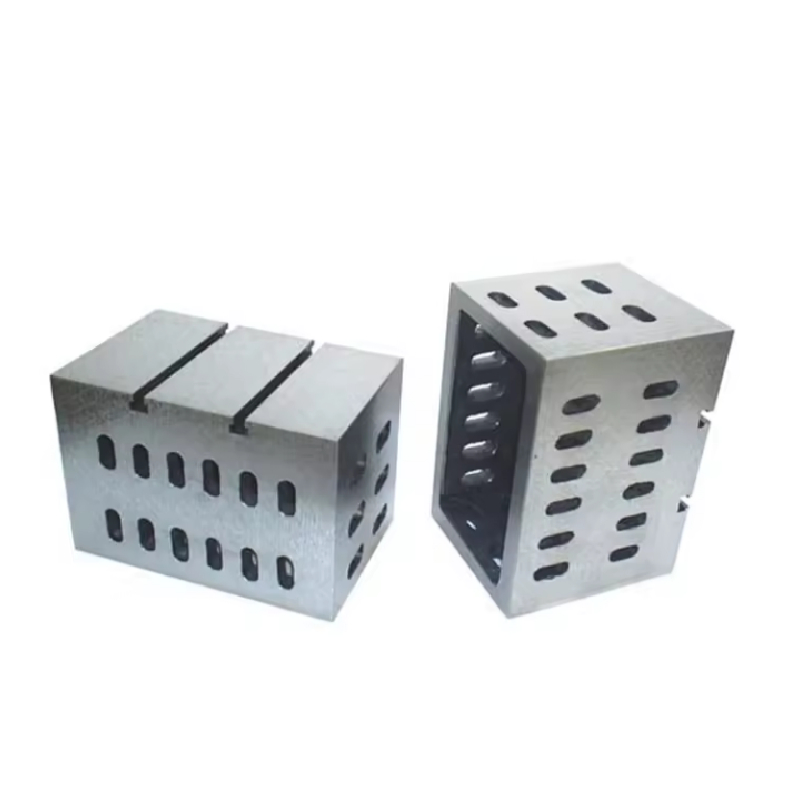
Water Strainer for Efficient Filtration and Reliable Performance in Various Applications
Understanding the Y-Type Water Strainer A Key Component in Fluid Systems In industrial and municipal
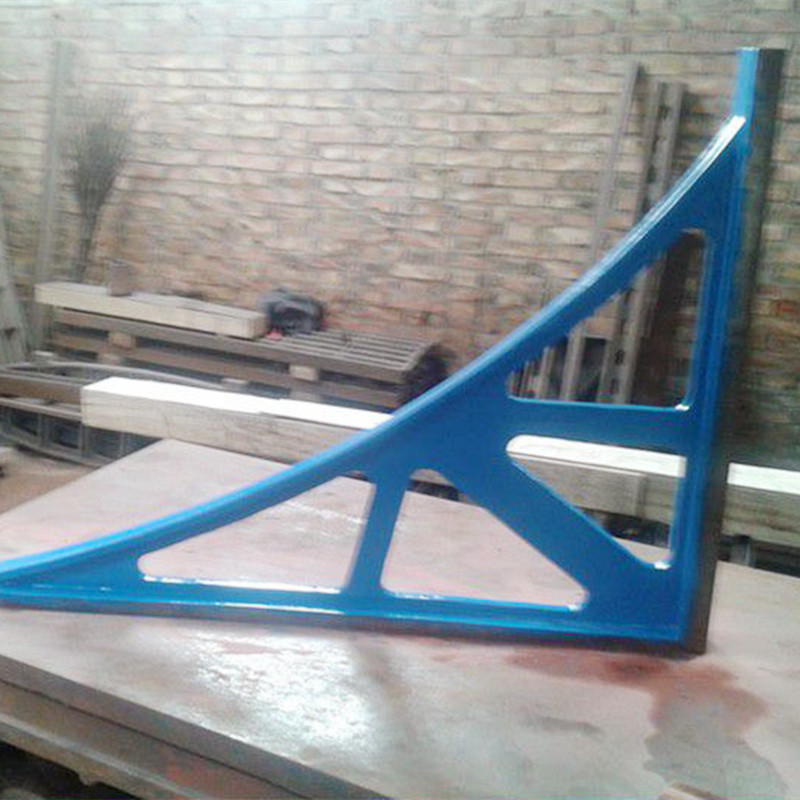
ventil metall
Valvemetaller En Djupdykning i deras Egenskaper och Användningar Valvemetaller är en viktig klass av
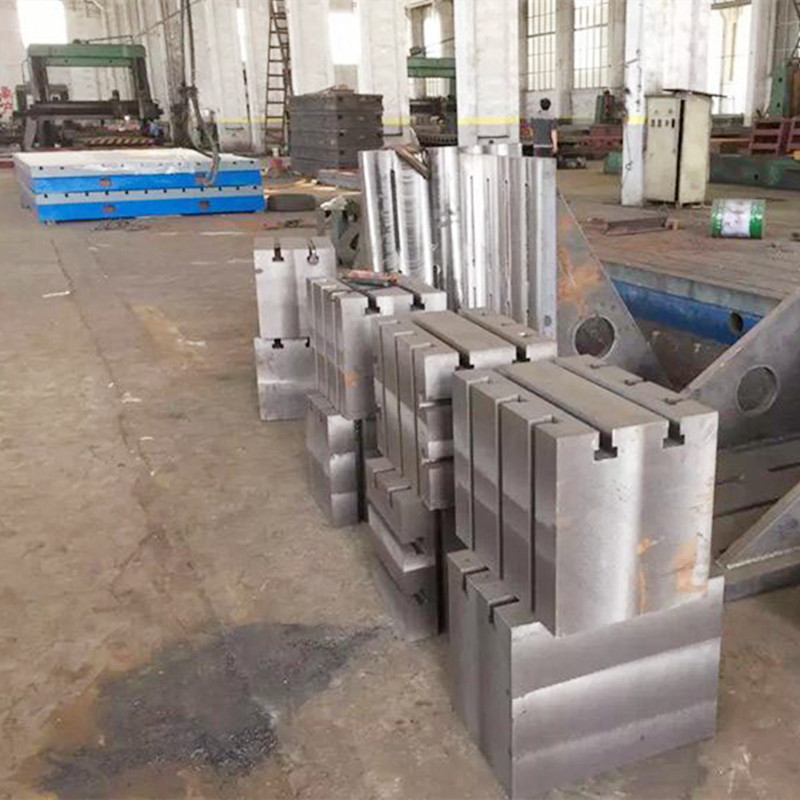
Válvula de gate de 400mm para sistemas de tubulação industriais e comerciais
400mm gate valve .
 English